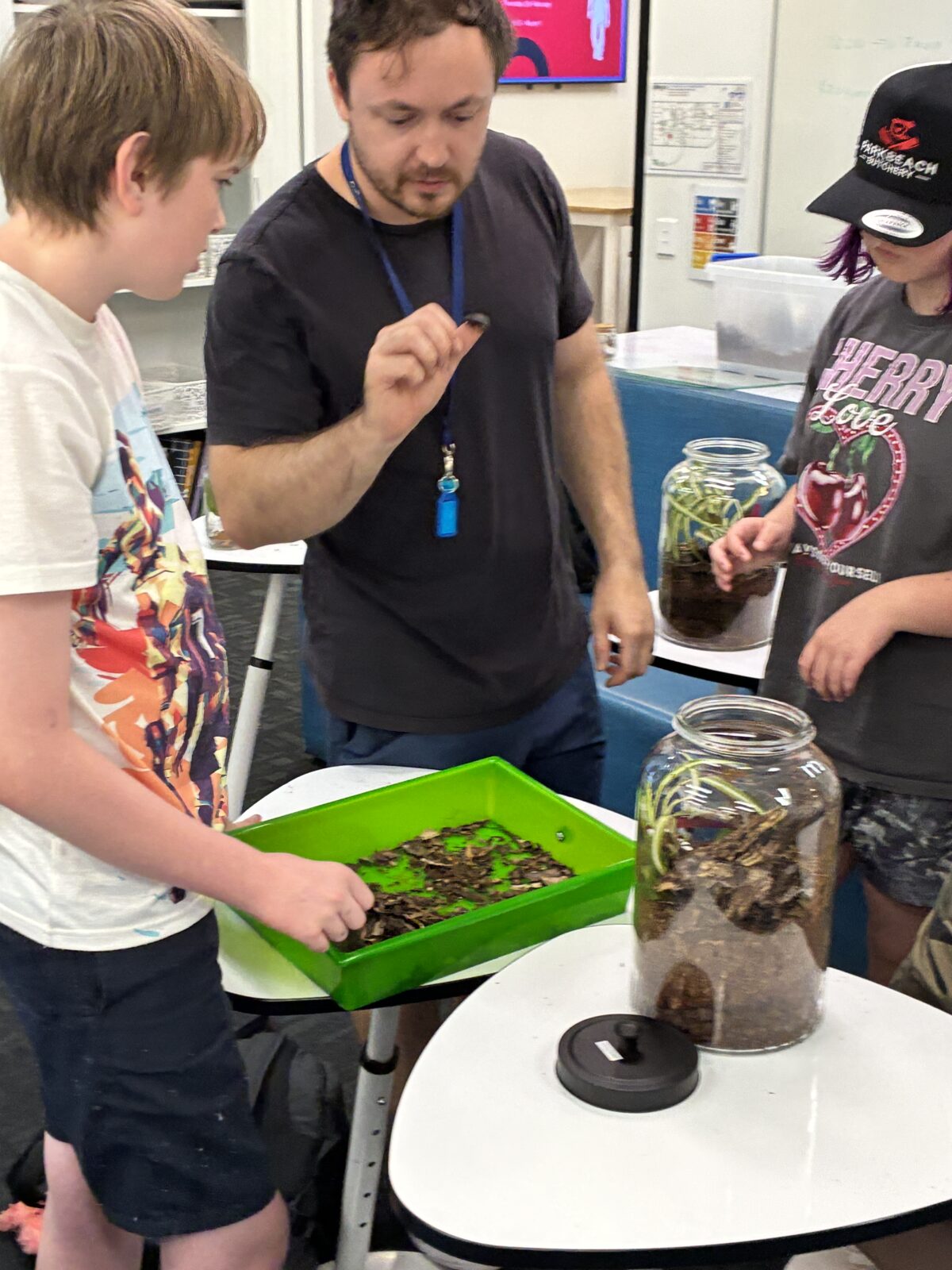
Why connection is emerging as the most powerful protective factor for young people
Teen mental health continues to be one of the most widely discussed issues in education today. Schools, families and policymakers are all asking the same question: how can we better support young people as they navigate adolescence?
While conversations often focus on social media, academic pressure or technology, current research is pointing to something more fundamental: a young person’s sense of belonging.
At the same time, a quieter but equally significant issue is gaining attention: teen loneliness.
Educators are increasingly noticing that students may be attending school, participating in class, and completing work, yet still feel disconnected.
Loneliness does not always look like isolation. It can exist in busy classrooms, within friendship groups, and even among high achieving students. It is less about being alone, and more about feeling unseen, unheard, or not truly known.
This shift in understanding is helping schools move beyond surface level explanations and towards deeper, more meaningful responses; ones that prioritise connection, relationships, and belonging.
Why belonging matters
A growing body of research highlights school connectedness, the feeling that students are valued, supported and part of a community, as one of the strongest protective factors for adolescent mental health.
When students feel they belong, they are more likely to:
- experience stronger emotional wellbeing
- engage more deeply in learning
- develop resilience during challenges
- build positive relationships with peers and teachers
Importantly, these benefits extend beyond the classroom. A strong sense of belonging during adolescence is linked to improved long term mental health outcomes.
In contrast, ongoing disconnection or loneliness can impact:
- self esteem and emotional wellbeing
- motivation and engagement
- willingness to participate or take risks
- attendance and long term connection to school
In other words, connection is not a ‘nice to have’, it is essential.

What actually creates connection
Belonging is not created through a single program or initiative. It is built through everyday experiences.
Young people consistently identify the same factors that help them feel connected:
- being known and understood by their teachers
- feeling safe and supported in the classroom
- predictable and calm learning environments
- positive peer relationships
- opportunities to contribute and be heard
These experiences reinforce a simple but powerful message:
You matter here.
The role of schools
As awareness of teen loneliness grows, schools are increasingly recognised as key environments for building connection.
This is leading to an important shift in education from reactive wellbeing models to proactive, relationship based approaches that support students before challenges escalate.
This includes:
- prioritising strong student teacher relationships
- creating safe and inclusive environments
- recognising the individuality of each learner
- embedding wellbeing into everyday practice
- designing structures that ensure every student is seen and supported
These practices do not sit alongside learning they strengthen it.
Students who feel connected are more likely to engage, persist and succeed.
What this looks like at Allegra
At Allegra, we recognise that connection is central to both learning and wellbeing.
Our approach is intentionally designed so that students are not only supported, but genuinely known.
This includes:
Small, relational learning environments
Smaller class sizes allow teachers to build meaningful relationships with each student.
Predictable and safe structures
Consistent routines and calm environments reduce anxiety and create stability.
Personalised learning approaches
Learning is differentiated so students can access content in ways that suit their strengths and needs.
Dedicated in class support
Learning Support Officers work alongside teachers throughout the day, providing consistent and individualised support.
These structures are not separate from wellbeing, they are what make wellbeing possible.
Looking ahead
As conversations about teen mental health continue to evolve, one message is becoming clearer:
Young people do not just need support. They need connection.
For schools, this is both a responsibility and an opportunity.
Because the most powerful moments are often the simplest: a student being greeted by name, a teacher noticing when something feels off, a classroom where it is safe to ask for help.
These moments build something lasting.
A sense of belonging.
A sense of safety.
A sense that you matter.
And for young people navigating adolescence, that can make all the difference.