Exploring how experience, reflection, and challenge shape young people’s understanding of leadership
Opportunities for young people to step outside their everyday environment often become the moments where the most meaningful growth occurs. Not because of the location or the event itself, but because of the space it creates for reflection, challenge, and new perspectives.
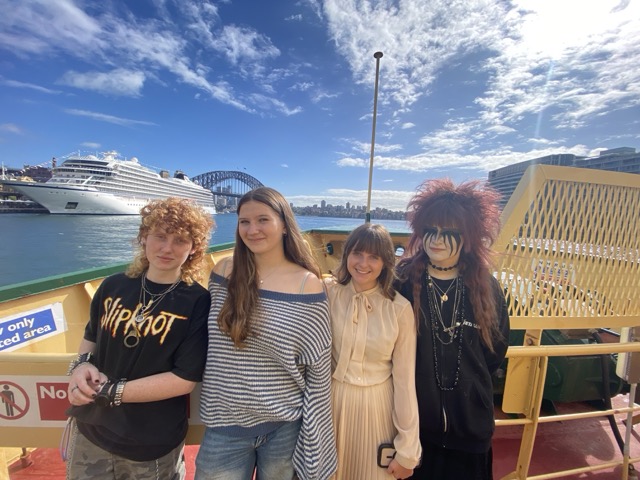
Recently, four of our Action Ambassadors travelled to Sydney to attend the Youth Leadership Academy Australia Youth Leadership Conference. What began as an overnight train journey quickly became something more than an excursion. It became an experience shaped by independence, connection, and a deeper understanding of what leadership can look like.
Learning Beyond the Classroom
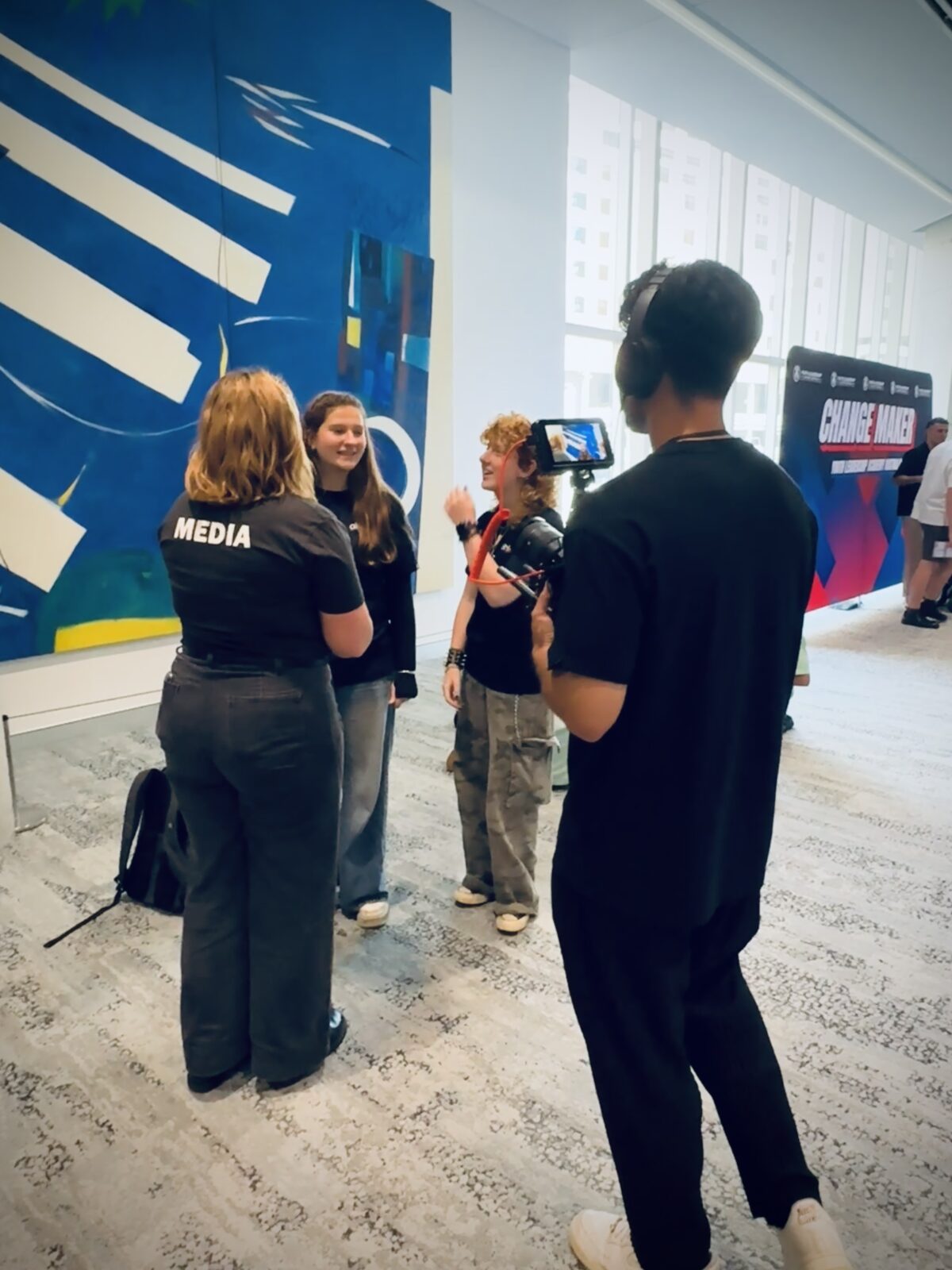
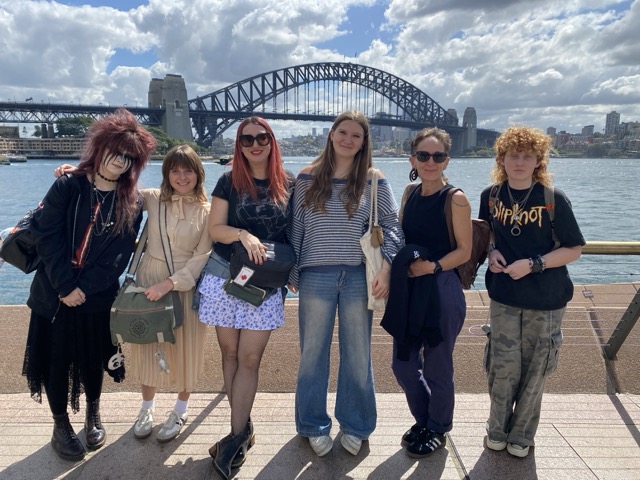
Before the conference itself, students spent time navigating the city together. From Circular Quay to Manly, the Botanic Gardens to the Art Gallery of New South Wales, these moments were not simply sightseeing. They were opportunities to practise decision making, build confidence, and experience unfamiliar environments in a supported but independent way.
These experiences matter. They allow young people to test themselves, to adapt, and to begin to see themselves as capable beyond the classroom.
Rethinking Leadership
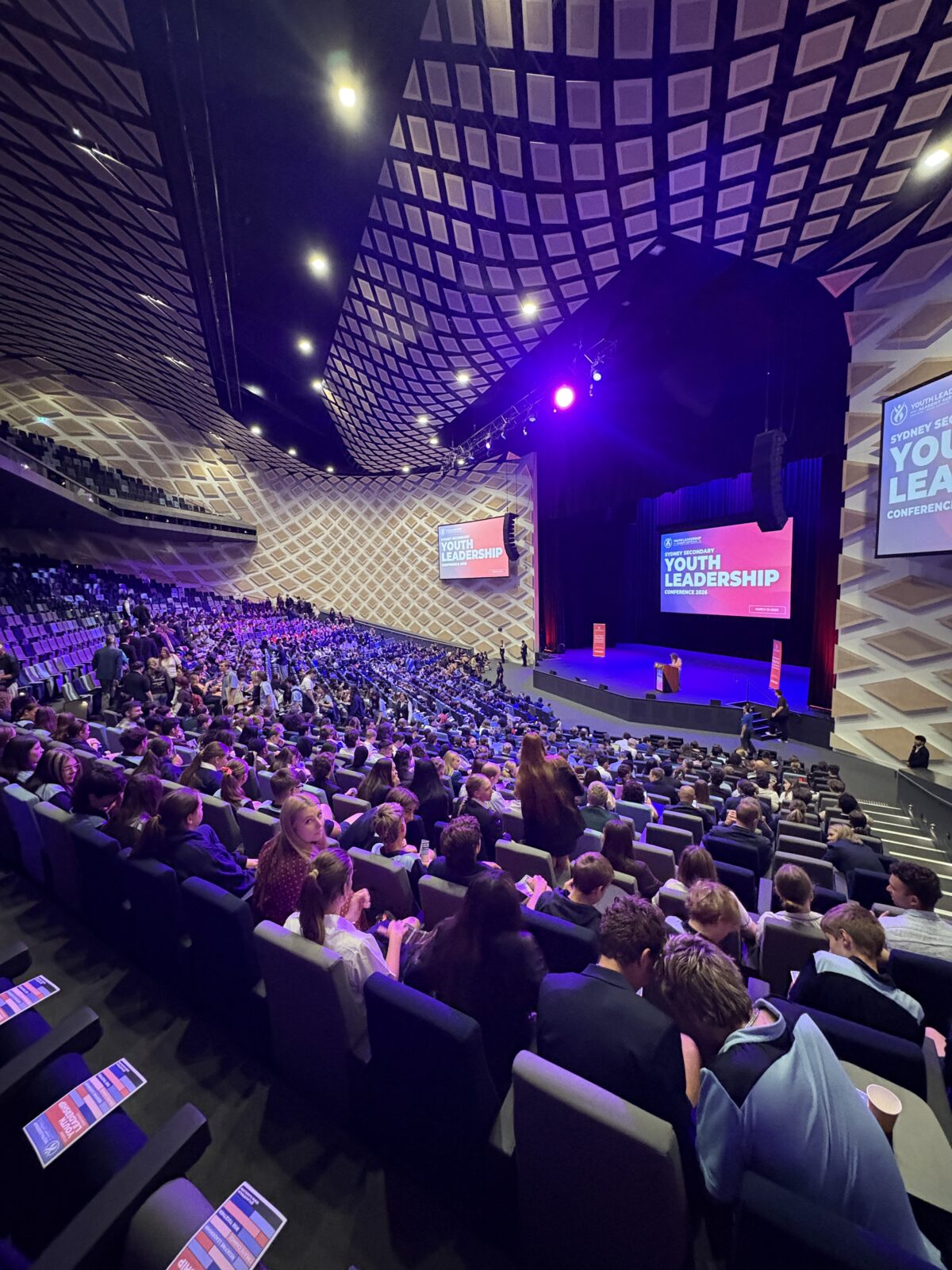
The following day, students attended the Youth Leadership Conference, joining young people from across the state in a shared space focused on leadership, identity, and personal growth. The environment was energetic, interactive, and intentionally designed to engage students not just as participants, but as active contributors.
Throughout the day, students were exposed to a range of perspectives on leadership. Importantly, these perspectives challenged traditional ideas. Leadership was not presented as something reserved for the most confident or outspoken. Instead, it was explored as something far more diverse, grounded in curiosity, empathy, consistency, and action.
Students reflected on practical frameworks such as the “NEXT” strategy, encouraging them to name challenges, explore them, and move forward with intention. Others spoke about the impact of shifting from judgement to curiosity, recognising how easily assumptions can shape relationships, and how deliberately choosing to look for similarities can change them.
Developing Self Awareness
At the same time, many of the most powerful insights were not just about leadership, but about self awareness.
Students spoke about recognising that feelings such as anxiety, stress, or nervousness are not signs of failure, but natural responses. Learning to understand and accept these feelings, rather than resist them, became a key takeaway. For some, this represented a shift in perspective, a move from self criticism to self understanding.
Other reflections focused on time, purpose, and personal responsibility. One student described the experience as a “wake up moment,” recognising how easily time can be lost to distraction, and how important it is to make conscious choices about how it is used. Another reflected on the idea that leadership is not about fitting a particular mould, but about showing up authentically and consistently.
What Leadership Really Looks Like
Across all reflections, a common theme emerged: leadership is not a single skill or trait. It is a combination of mindset, behaviour, and intention. It is how we communicate, how we respond to challenges, how we treat others, and how we see ourselves.
What stood out most was not just what students learnt, but how they engaged with those learnings. Their reflections demonstrated depth, honesty, and a willingness to think critically about their own experiences. This is where real growth occurs.
Representing Our Community
Throughout the entire experience, students represented the school with maturity, respect, and integrity. Whether navigating public transport, engaging with new environments, or participating in the conference, they consistently demonstrated the values that underpin our community.
Why Experiences Like This Matter
Experiences like this reinforce an important idea: leadership cannot be taught in isolation. It is developed through experience, reflection, and opportunity.
When young people are given the space to engage in meaningful experiences beyond the classroom, they begin to see themselves differently. Not just as students, but as individuals capable of growth, influence, and contribution.
And it is in these moments that leadership begins to take shape.