
At Allegra, we know that in a special assistance school setting, academic growth cannot be separated from wellbeing. Before learning can happen, students need to feel safe, connected, supported, and understood. Our Learning Support Team plays a vital role in creating that environment every single day.
Creating Connection and Belonging
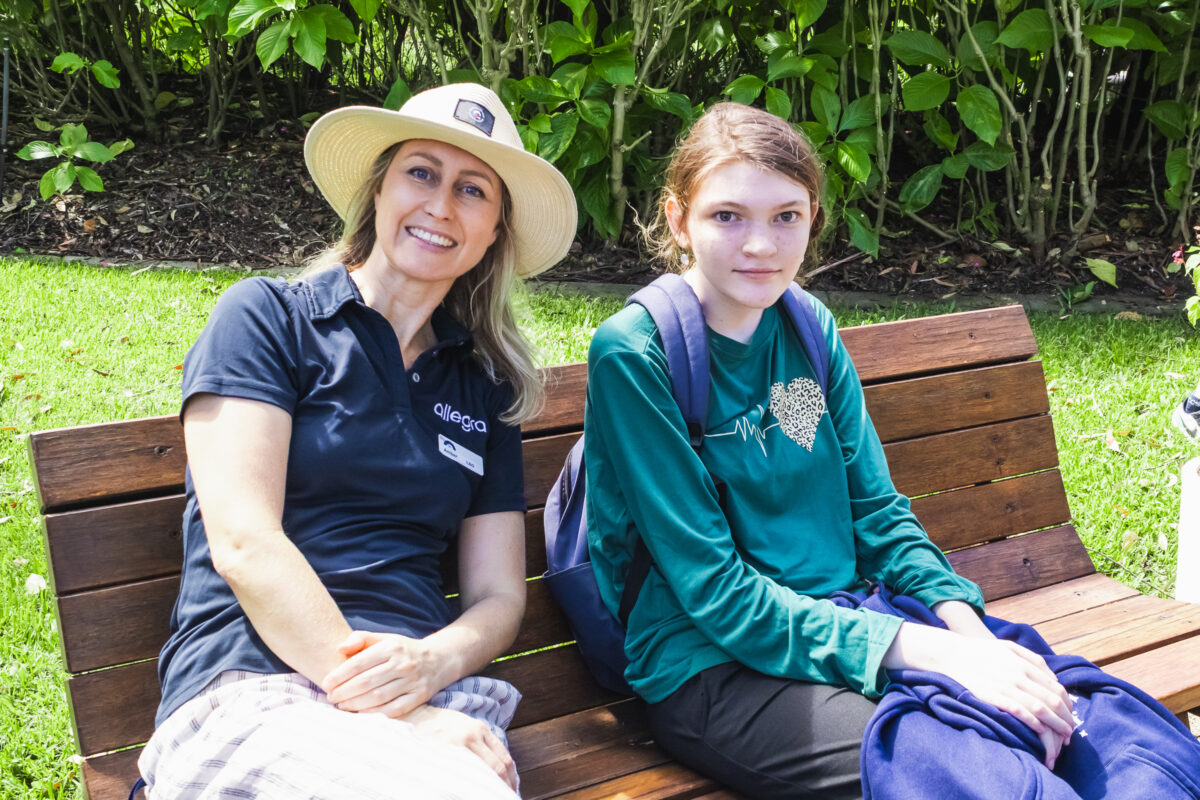
The LSOs are involved in every aspect of school life. They spend breaks alongside students, creating safe and supportive social spaces where relationships can flourish naturally through shared conversations, games, and activities. Whether they are facilitating Harmony Day activities, supporting students on excursions, helping with ANZAC Day events, or simply sitting with students at lunch, the team helps create the strong sense of belonging that defines Allegra School.
These relationships matter deeply. From 2022 to 2025, Allegra’s Perspectives Survey – Your School in Focus revealed that 100% of students felt they belonged at Allegra, had positive connections with adults in the school community, and felt valued and accepted.
Supporting Significant Academic Growth
The impact of the team is also evident in measurable academic growth. Each morning, Learning Support Officers run reading groups where students are encouraged to read aloud, build confidence, and reconnect with literacy in a calm and supportive environment.
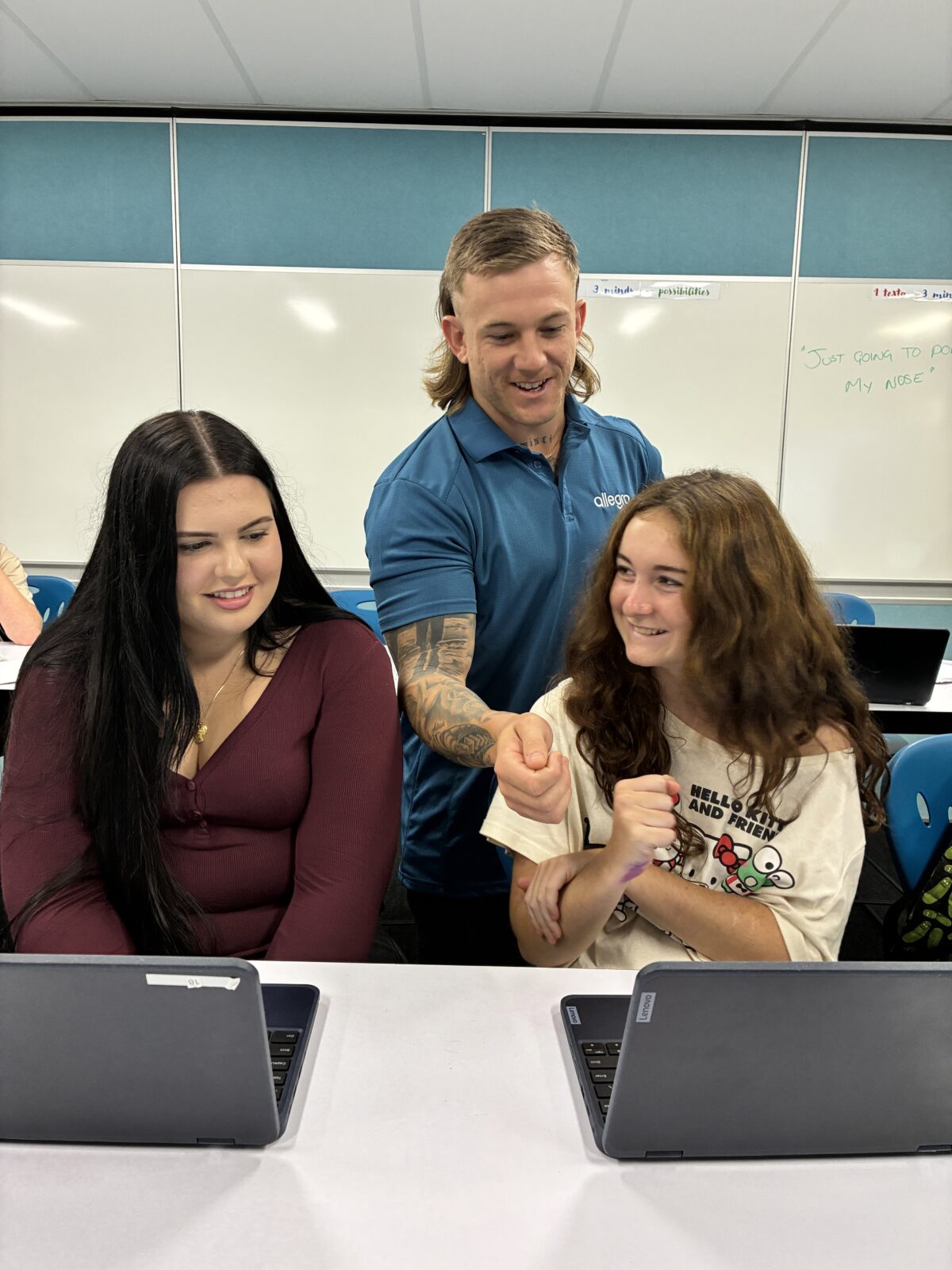
In classrooms, LSOs provide targeted adjustments and personalised support strategies including dyslexia friendly formatting, adjusted fonts, quiet learning spaces, emotional regulation support, and individual scaffolding. Reading Age data collected across 2025 demonstrated substantial literacy growth, with many students achieving between two and four years growth within a single year.
Students who entered Allegra with significantly below expected literacy levels made some of the most dramatic gains, demonstrating the effectiveness of the team’s relational, trauma informed, and highly individualised support.

Building Wellbeing and Future Pathways
The Learning Support Team also contributes significantly to student wellbeing and future pathways. Several LSOs have completed professional training through the Top Blokes Foundation and assist in delivering wellbeing programs that focus on resilience, emotional literacy, self regulation, communication, and positive mental health outcomes.
The team also supports students completing vocational qualifications including White Card training, First Aid certification, and Barista courses, helping students develop independence, confidence, and practical skills for life beyond school.
A Commitment to Professional Growth
Professional growth and reflective practice are central to the team’s culture. Staff actively engage in trauma informed professional learning, the Safe House Schools – Embracing Neurodiversity Program, the Australian Teacher Aide Professional Learning Platform, and structured peer observation programs focused on improving classroom practice.
Throughout Terms 1 and 2, LSOs observed each other in classrooms, reflected collaboratively on practice, and refined strategies related to student engagement, emotional regulation, and trauma informed support. This commitment to continuous improvement ensures students benefit from evidence informed, reflective, and collaborative support practices.
Collaboration That Makes a Difference
Collaboration sits at the heart of the team’s work. Weekly Learning Support Meetings provide opportunities for teachers and LSOs to discuss student needs, curriculum content, assessment tasks, and support strategies.
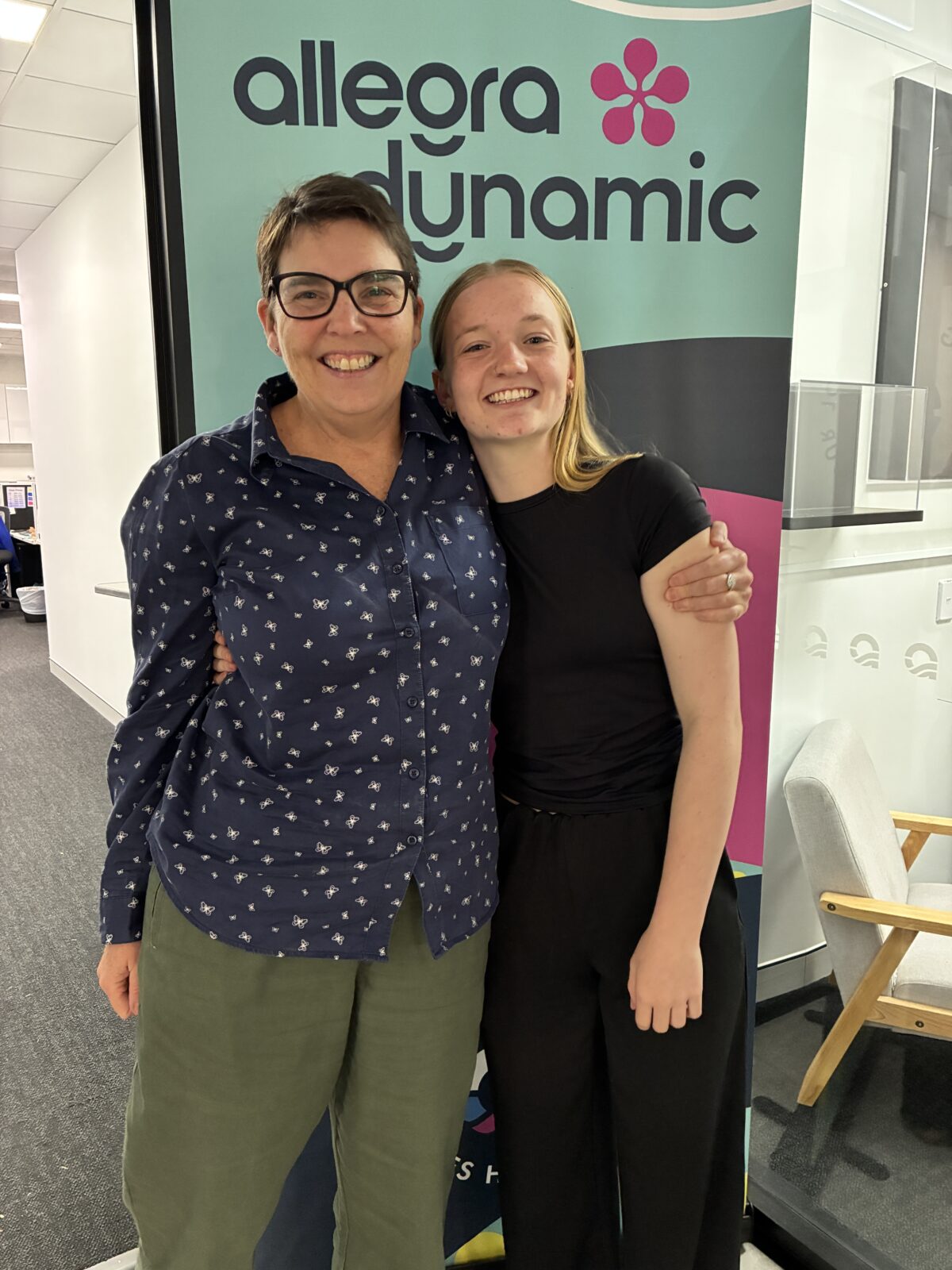
The Learning Support Team works closely with teachers to create inclusive and personalised learning experiences that honour the diverse needs and aspirations of our students. Their ability to observe classroom dynamics, anticipate student needs, and respond proactively contributes to calm, structured, and emotionally safe learning environments where students can thrive academically and personally.
More Than Learning Support
At Allegra School, our Learning Support Team does far more than support learning. They help students rebuild confidence, reconnect with education, and believe in themselves again.