
Why small structures make a big difference for young people
School holidays are often seen as a time to rest, reset and step away from the structure of school life. For many young people, this break is important and needed.
At the same time, a complete loss of routine can make the return to school more challenging; particularly for students who benefit from predictability, structure and consistent support.
For families, this raises an important question:
How do we balance rest with enough routine to support wellbeing?
Why routine matters for teenagers
Routine provides more than structure; it supports a young person’s sense of safety, regulation and control.
Research consistently shows that adolescents benefit from predictable daily rhythms, particularly when it comes to sleep. Maintaining regular sleep and wake times is strongly linked to better emotional regulation, improved mental health, and stronger cognitive functioning.
When routines become irregular, especially during holidays, it can disrupt these patterns. Inconsistent sleep and daily rhythms are associated with:
- increased anxiety and low mood
- difficulty concentrating and managing emotions
- fatigue and reduced motivation
Sleep research also shows that teenagers already experience biological changes that make consistent routines harder to maintain, meaning that sudden shifts during holidays can amplify these challenges.
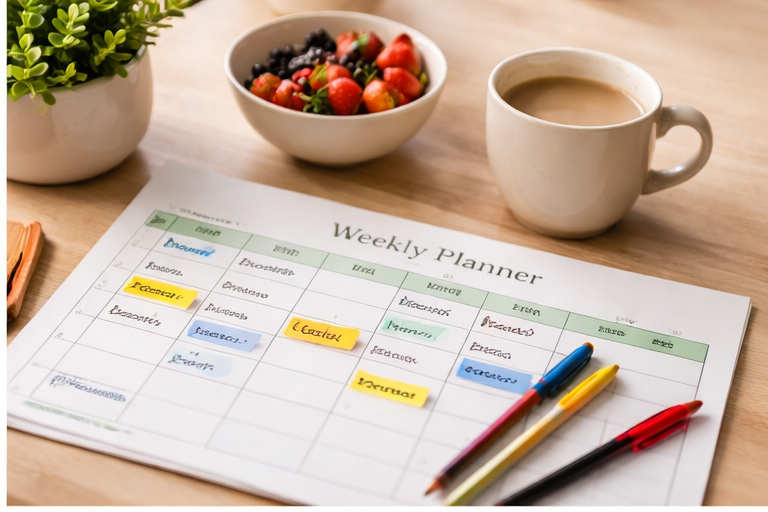
What happens during school holidays
During the term, students are supported by predictable patterns across their day. When holidays begin, these structures often change quickly.
While this can feel freeing, over time it can lead to:
- irregular sleep patterns
- increased irritability or emotional fatigue
- difficulty re engaging with routines
- heightened stress when returning to school
Research also highlights that large shifts in sleep schedules, often called “social jetlag”, can negatively impact mood, focus and overall wellbeing in adolescents.
Finding the balance: flexibility with structure
Maintaining routine during school holidays does not mean recreating the school day.
Instead, it is about creating light, predictable anchors that support wellbeing while still allowing for rest and flexibility.
This might include:
Consistent sleep and wake times
Even small consistency in sleep patterns supports mental health, energy and focus.
Simple daily anchors
Regular moments such as a morning routine, shared meals or planned downtime help create rhythm.
Opportunities for connection
Social interaction remains a key protective factor for wellbeing.
A balance of activity and rest
Both movement and downtime are important for regulation and recovery.
Research suggests that routines that are consistent but flexible are most effective in supporting young people’s emotional wellbeing.

Supporting regulation during the break
For many students, routine is closely linked to emotional regulation.
At Allegra, we see how predictable environments, calm spaces and clear expectations support students to feel safe and ready to learn.
These same principles can support students during the holidays:
- maintaining familiar routines where possible
- providing a general structure to the day
- creating calm, low stimulation environments
- allowing access to quiet or regulation spaces
Even small elements of predictability can make a meaningful difference.
Preparing for a smooth return to school
One of the strongest reasons to maintain some routine is to support the transition back to school.
Research shows that gradually reintroducing consistent routines, particularly sleep patterns, can reduce stress and improve adjustment when school resumes.
In the final days before term, families might consider:
- gradually shifting sleep and wake times
- reintroducing morning routines
- talking through what the return to school will look like
These small steps can support confidence and reduce anxiety.
What this means at Allegra
At Allegra, we understand that structure and flexibility work together.
During term time, we design environments that support regulation through:
- predictable routines
- calm, low stimulation spaces
- personalised learning approaches
- strong relational support
These same principles can be gently extended into the holiday period in ways that suit each student and family.
A gentle reminder
School holidays do not need to be perfectly structured.
Rest is important. Flexibility is important. Downtime is important.
But maintaining a few consistent anchors across the day can help young people feel more settled, more regulated, and more ready to return to learning.
Because for many students, it is not structure itself that matters most, it is the sense of safety and predictability that structure provides.