
For many young people, finishing Year 10 is exciting.
It means new opportunities, new environments and the beginning of another chapter. There might be senior studies ahead, TAFE, vocational training, an apprenticeship, employment, or a pathway that is still taking shape.
But for some students, leaving school can also feel much more complicated.
For a young person who has previously struggled to feel comfortable, connected or successful at school, finding a place where they finally belong can be significant.
And when school finally fits, leaving it can be hard.
When Belonging Has Taken Time
Many students arrive at Allegra after experiencing challenges in previous educational settings.
For some, school may have previously been associated with anxiety, disengagement, feeling misunderstood or simply feeling as though they did not quite fit.
Over time, something begins to change.
They find people who know them.
They learn which environments help them regulate.
They begin asking questions.
They attempt things they once avoided.
They develop friendships, relationships with trusted adults and, importantly, greater confidence in themselves.
For some students, that sense of belonging has taken a long time to build.
So as Year 10 draws closer to its conclusion, it is understandable that the prospect of leaving can bring mixed emotions.
Excitement can exist alongside uncertainty.
Confidence can sit alongside anxiety.
A student can be ready for their next step while still wishing they did not have to leave what has become familiar.
All of those feelings can exist at the same time.
The Goal Was Never to Need Allegra Forever
One of the most important things we want our students to understand is that the support they have experienced at Allegra has never been about creating dependence.
It has been about building capacity.
Our Learning Support Team works alongside students so that, over time, they become increasingly able to recognise what they need, communicate it, attempt difficult things, respond to setbacks and participate more independently.
That means some of the most important things our students leave Allegra with cannot be packed into a school bag.
They take with them knowledge of themselves.
They know more about how they learn, what can overwhelm them, what helps them regulate and the conditions in which they are most likely to succeed.
They take strategies.
The scaffolds, routines, regulation strategies, organisational tools and approaches that have helped at Allegra do not suddenly stop being useful because the location changes.
They take self-advocacy.
Asking for clarification. Explaining that something is not working. Seeking assistance before things become overwhelming. Knowing that asking for support is not failure.
They take resilience.
Every assessment completed, work placement attended, difficult morning navigated, mistake recovered from and challenge attempted contributes to a growing understanding: I have done difficult things before, and I can do difficult things again.
And they take a stronger voice.
At Allegra, student voice and agency are an important part of learning. Students are encouraged to make choices, set goals, reflect on what works and increasingly take ownership of their future.
Those skills matter well beyond Year 10.
Support Doesn’t End. It Changes
Moving into a new environment also means learning where support exists next.
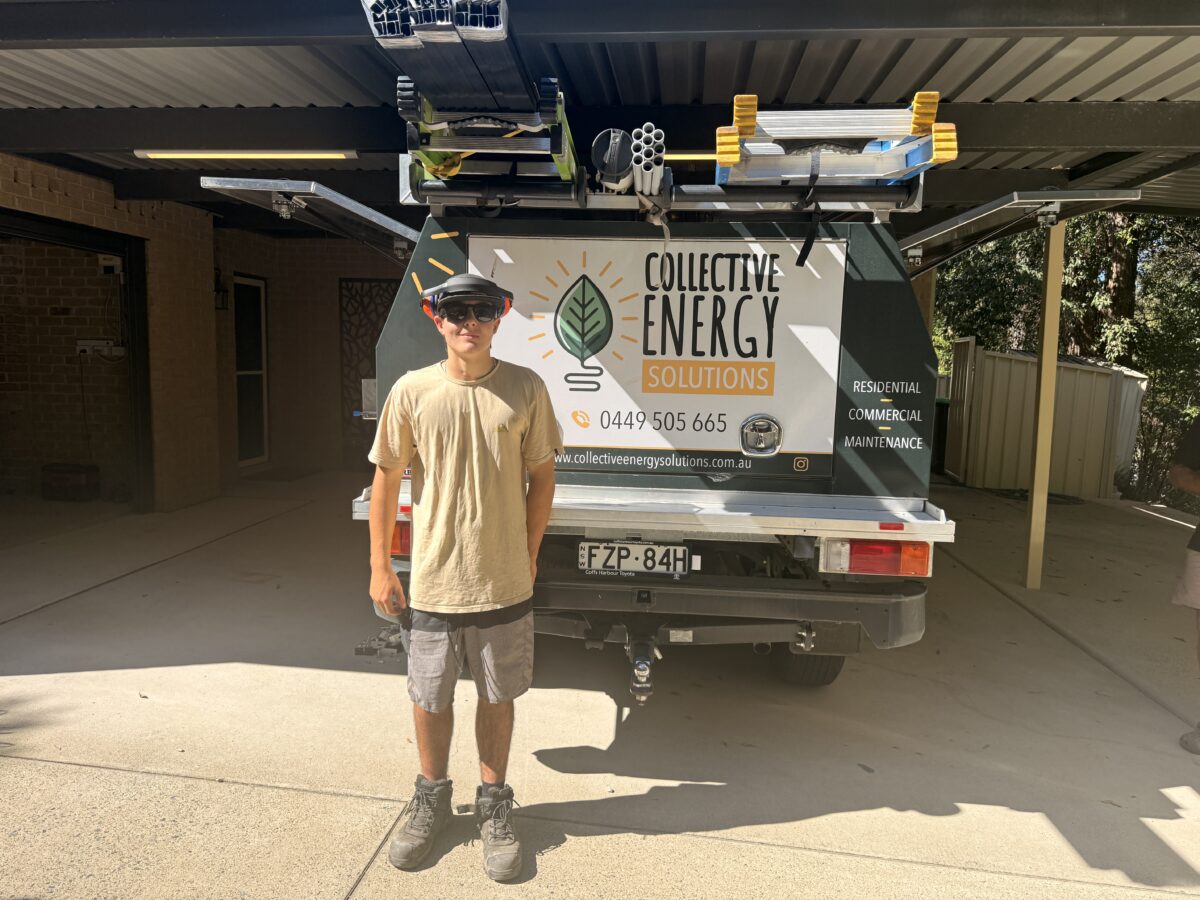
For some students, the next step will be senior secondary education. For others it may be TAFE, vocational training, an apprenticeship or employment. Allegra’s own information for families recognises that there is no single pathway after graduation; the right direction depends on the individual student and their goals.
Earlier this year, Allegra students visiting TAFE NSW Coffs Harbour also explored the support available to students entering further education, including academic assistance, wellbeing support, career guidance and enrolment advice.
That is an important lesson in itself.
Becoming independent does not mean doing everything alone.
Adults ask questions. Adults seek advice. Adults use support services. Adults tell other people what they need.
One of the most valuable things a young person can carry into their next environment is the confidence to say:
“This is what helps me succeed.”
Choosing the Next Environment
Transition is also an opportunity for students and families to think differently about the question, “What comes next?”
The answer does not need to be based solely on what everyone else is doing.
Instead, some better questions might be:
- Where am I most likely to feel engaged and motivated?
- What type of learning suits me?
- What support will I need?
- What am I interested in exploring?
- What environment will help me continue becoming more independent?
- Who can I talk to if I am finding the transition difficult?
There is no single definition of a successful pathway.
For one student it may be completing Years 11 and 12.
For another it may be learning a trade.
For another it may be vocational education, work, further training or a combination of different experiences over time.
The important thing is that the next step is purposeful, supported and connected to the young person’s strengths and goals.
Leaving Is Part of the Success Story
There is something bittersweet about watching a student leave a school where they have finally found their place.
We will miss the conversations, personalities, humour and individuality our Year 10 students bring to Allegra every day.
But there is also something incredibly important about reaching the point where a young person is ready to take what they have learned and carry it somewhere new.
Because success at Allegra was never meant to be measured only by what students could achieve while surrounded by Allegra staff.
Success is also what happens afterwards.
It is a young person entering a new classroom and asking for help when they need it.
It is recognising when they are becoming overwhelmed and using a strategy that works.
It is introducing themselves to someone new.
Turning up to work.
Trying again after something goes wrong.
Choosing a different pathway when the first one does not fit.
Speaking up.
Making decisions.
Believing that they belong in the next place too.
Our vision is to create supportive and transformative learning experiences.
Sometimes the clearest evidence of that transformation is a young person who arrived believing they could not succeed at school and leaves understanding much more clearly who they are, what they need and what they are capable of.
Leaving can be hard.
But everything our students have built here goes with them.
And that is exactly the point.