
Academic results tend to take centre stage in education – test scores, reports, future pathways. Yet the real driver behind student success is something less visible but far more powerful: emotional wellbeing. When students feel safe, connected, and supported, they engage more deeply and learn more effectively. When those conditions aren’t met, learning becomes significantly harder and can affect their overall achievement.
At Allegra School in Coffs Harbour, emotional wellbeing is is not overlooked – it is at the core of our entire learning model. Through the Allegra Dynamic framework, we take a holistic approach to education and ensure every student experiences a learning environment where they feel seen, understood, and capable of success.
Why Emotional Wellbeing Matters in Learning
Research consistently shows that wellbeing is directly linked to academic performance, resilience, and long-term life outcomes. For many young people, challenges like trauma, anxiety, bullying, family instability, or neurodiversity impact how they learn and interact at school.
When students’ emotional wellbeing is supported:
- They build stronger concentration and engagement
- Their confidence increases, making it easier to try new or challenging work
- Their relationships with peers and teachers strengthen
- They develop healthier coping strategies and more positive self-perception
Emotional wellbeing is not separate from learning – it is the foundation of it.
Allegra’s Holistic Approach to Education
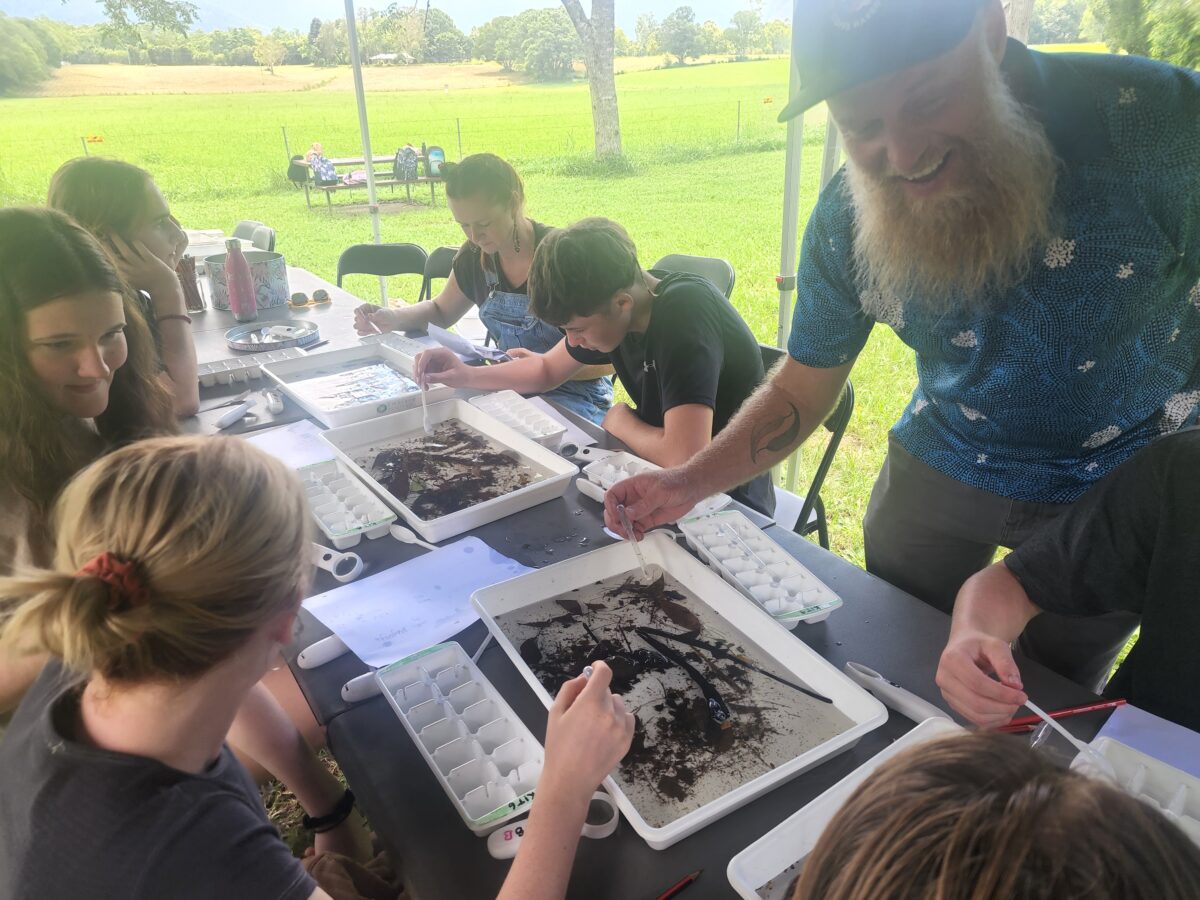
At Allegra, our approach to education is holistic. Of course, we do focus on literacy, numeracy, curriculum outcomes and classroom progress, but we equally prioritise every individual student’s emotional and social development.
Here’s how we bring that balance to life:
Trauma-informed practice
Our teachers understand how past experiences shape behaviour, focus, and readiness to learn. We create environments where safety and connection come first.
Wellbeing at the centre
Our dedicated wellbeing team offers daily support, check-ins, mentoring, and personalised strategies to help students navigate challenges.
Intentional, structured learning
Using the Allegra Dynamic framework, we align curriculum goals with the emotional needs of the learners, so students feel supported and challenged.
Connection and belonging
Small classes, strong relationships, a first-name basis, and a culture of acceptance allow students to be themselves. When young people feel seen and heard, learning becomes possible again.
Building a Growth Mindset: The Pathway to Resilience
Developing emotional wellbeing means also strengthening students’ ability to adapt, recover, and grow – the essence of a growth mindset.
When students build resilience and change their mindset, they can reframe challenges as opportunities rather than threats. Instead of “I can’t do this,” students learn to think, “I can’t do this yet.” Building this resilience allows students to spend more time growing and learning, rather than quitting. At Allegra, we foster resilience through encouraging effort, not perfection, praising progress and persistence rather than just results. We encourage students to view setbacks as learning tools so mistakes become lessons for the future. We support guided reflection in which students regularly reflect on what worked, what didn’t and what they can try next time. Teachers focus on what students can do while helping them grow in areas that feel difficult. These skills don’t just support students while they’re at school but also prepare them for future learning, work, and life.
An Approach That Helps Students Thrive
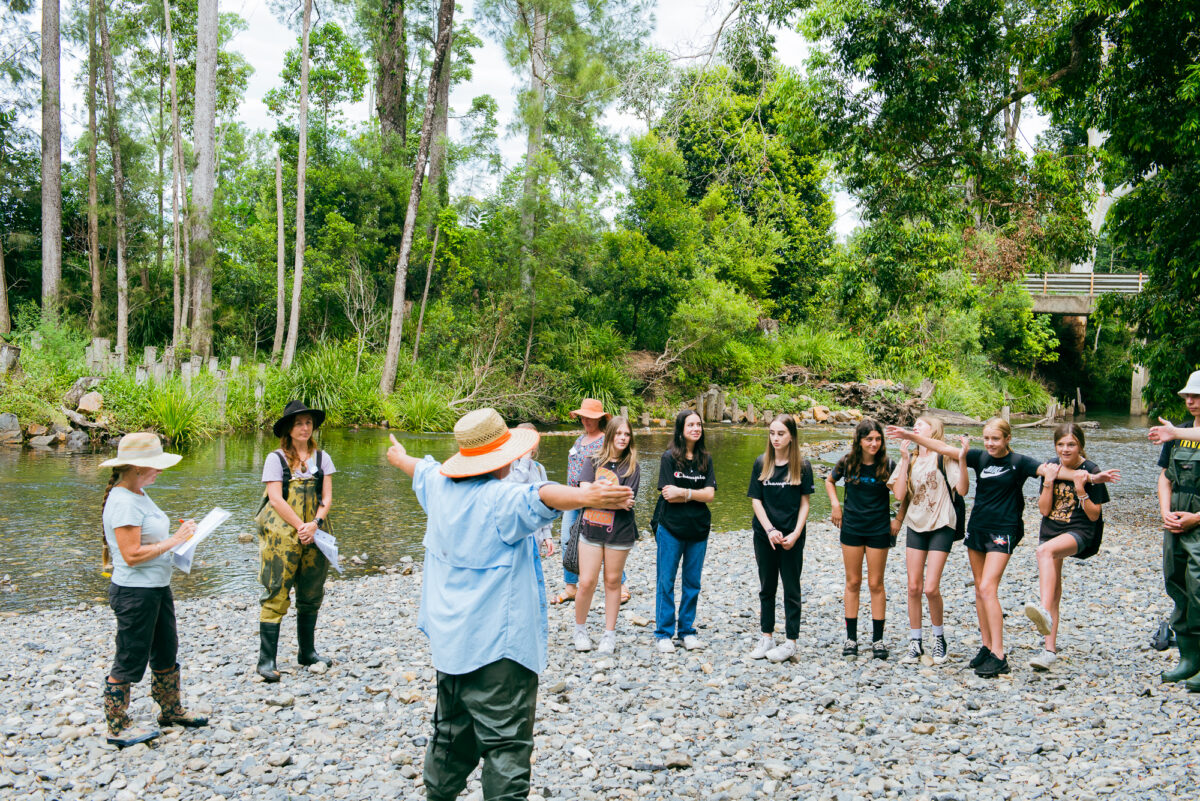
When education focuses on students’ emotional wellbeing, academics, and growth mindset from a holistic sense, students develop confidence in their own abilities, a stronger sense of identity and a greater resilience in the face of challenges.
At Allegra, we see these incredible transformations daily. Students who once felt disengaged, anxious, or overwhelmed begin to rediscover their potential. Not because the work becomes easier, but because they have the tools needed to give it their best. Take Atlas, a past student, for example:
“I am gay/trans and was being bullied at my previous school – I’m also on the spectrum and was getting a bit lost. I needed a change for Year 10 and some friends told me about Allegra School. It’s a really accepting environment, you can be yourself and the teachers see you as a person not a number. I was doing ok at my old school but coming here re-sparked my interest in study.”
Stories like Atlas’s highlight how a supportive and inclusive environment allows students to feel capable, engaged, and ready to embrace learning with confidence.
Learn More
Curious how Allegra supports student wellbeing and growth mindset in practice?
Explore our framework or express your interest to see whether Allegra School is the right fit for you or your young person.