
As our students head into the school holidays, many of our Year 10 students are beginning to think more seriously about what comes next. For some, the pathway is already becoming clearer. Applications have been submitted, interviews have taken place, and a number of students are receiving offers and acceptances from schools where they will continue their senior studies.
For others, the answer is still, “I’m not sure yet.”
At 15 or 16 years old, that is completely okay. Young people do not need to know exactly what career they want, where they will be in five years, or what their entire future will look like. What matters at this stage is having the opportunity to explore, build confidence and identify a good next step.
The Next Step, Not the Next 40 Years
Sometimes the way we talk about life after Year 10 can make the decision feel much bigger than it needs to be. Asking, “What do you want to do when you leave school?” can easily begin to sound like, “What are you choosing to do for the rest of your life?”
They are very different questions.
For most young people, the goal is not to choose a lifelong destination. It is to work out what might be a worthwhile next step. That could mean continuing into Years 11 and 12 at another school, beginning vocational education or training, moving towards an apprenticeship or traineeship, exploring employment, or combining several of these options over time.
It can also mean trying something and discovering that it is not quite right. That is not a wasted experience. Learning what does not suit you can be just as valuable as discovering something that does.
Opportunities to Explore
One of the reasons we place such value on practical and real-world experiences at Allegra is that young people cannot always know whether something interests them simply by hearing about it. Sometimes they need the opportunity to experience it for themselves.
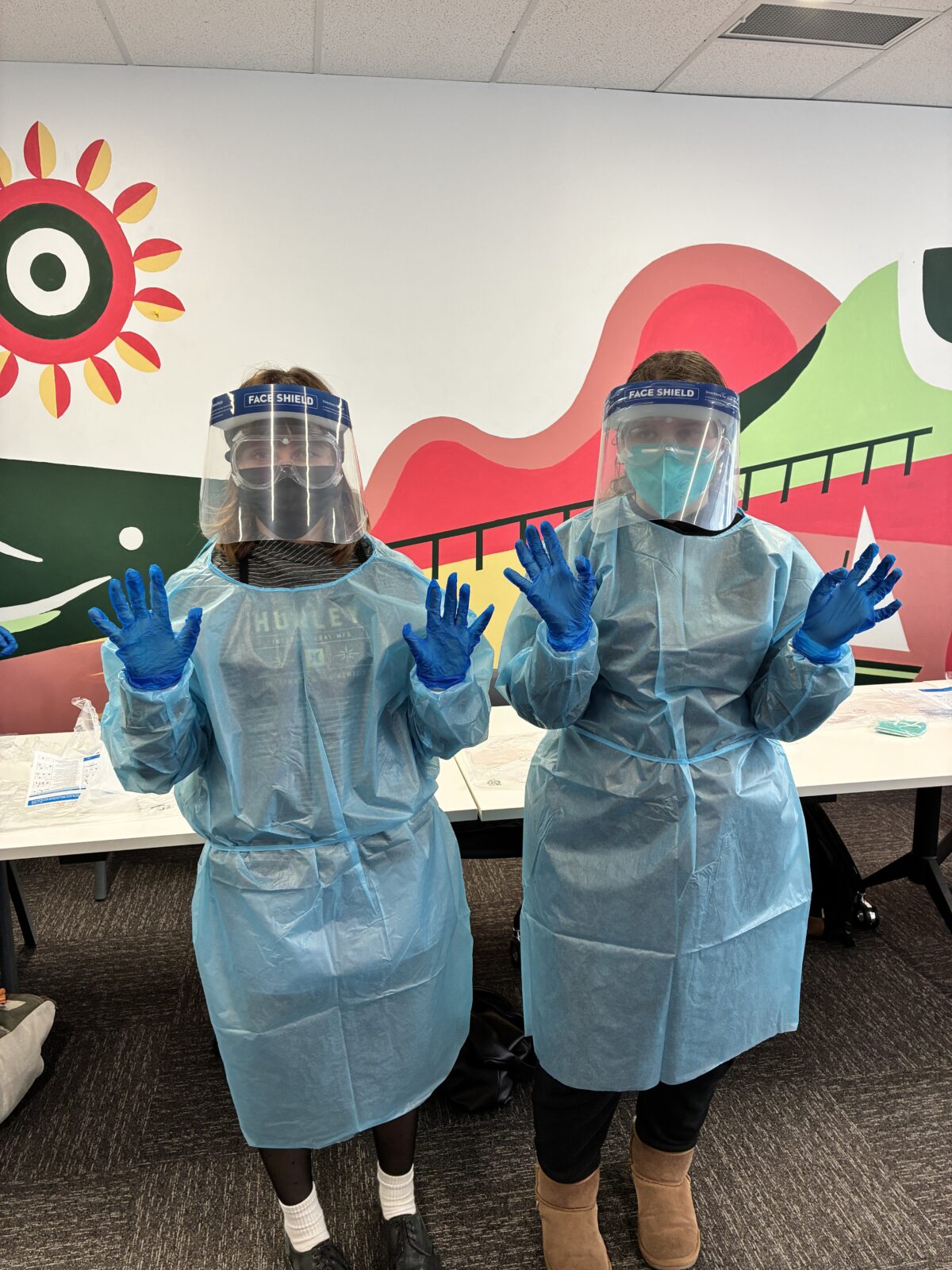
Recently, our students have been provided with a range of opportunities to explore possible pathways, including barista training and TAFE-related opportunities. These experiences allow students to see what vocational education and training can actually look and feel like, rather than trying to make decisions based only on descriptions.
There is a significant difference between being told, “You could go to TAFE,” and actually entering that environment, meeting people, trying something new and beginning to imagine yourself there.
One student may discover that practical learning really suits them. Another may develop an interest in hospitality or a particular trade. Someone else may try an experience and decide it is not for them. Each of those outcomes is useful because exploration gives young people more information about themselves, their interests and the environments in which they are most likely to thrive.
There Is More Than One Successful Pathway
There is no single correct way to move forward after Year 10, and success does not require every student to follow the same pathway.
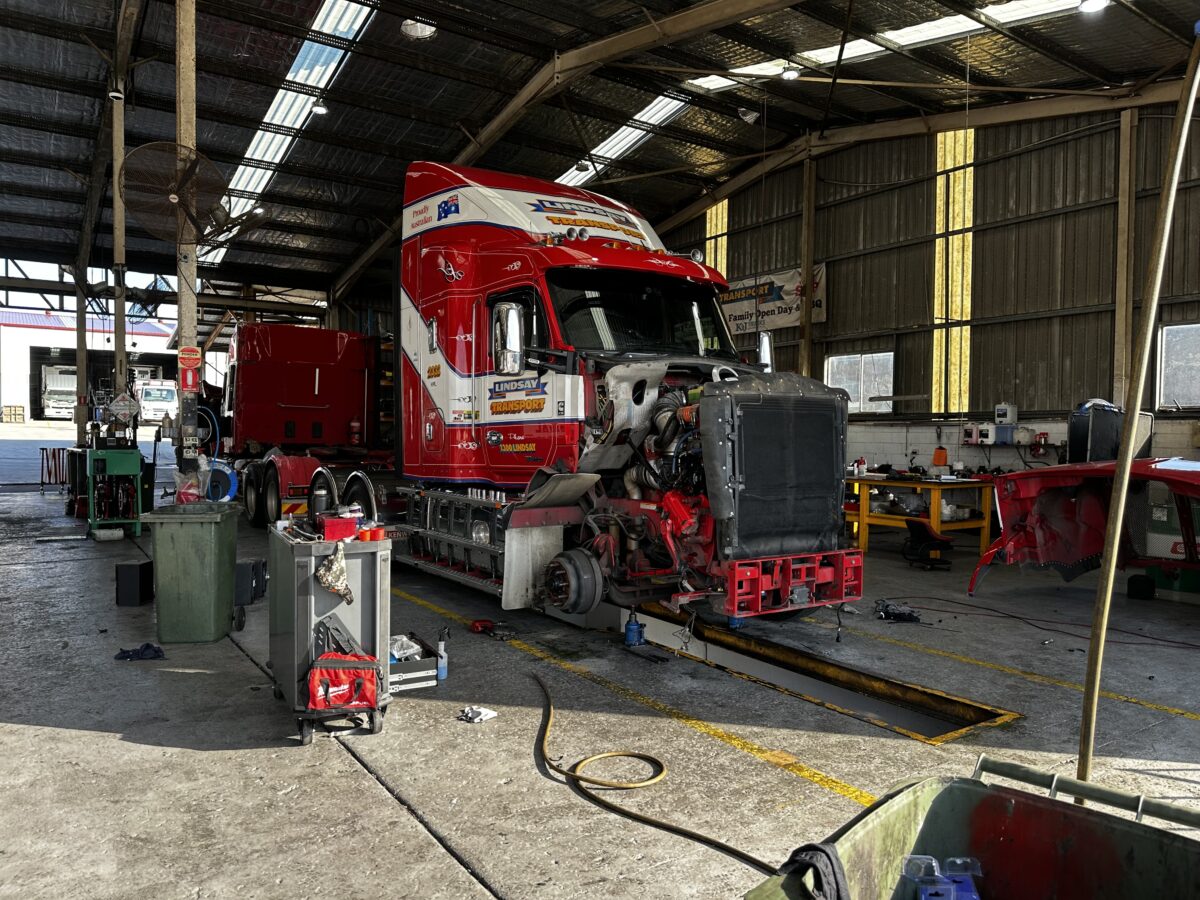
For some of our students, continuing their academic studies will be exactly the right next step, and we are excited to see students applying to and being accepted into different schools where they can continue their senior secondary education. For others, vocational learning may provide a stronger connection between education, individual interests and future employment.
Some students may combine study with work. Others may discover a particular direction through work experience or vocational training. Some will change direction several times before they find the pathway that is right for them.
That is a normal part of growing up. Very few adults can draw a perfectly straight line between what they imagined for themselves at 16 and where life eventually took them.
Asking Better Questions
Rather than asking young people to decide what they are going to do with their lives, we can help by asking questions that encourage reflection and curiosity.
What would you like to explore next? What kind of environment helps you learn best? Do you prefer practical learning, classroom learning or a combination of both? What are you interested in becoming better at? Is there something you have never tried but would be willing to explore?
These questions leave room for young people to develop. They also recognise that career development is rarely one decision made at one point in time. It is a process of trying things, learning more about yourself, developing new skills and adjusting direction as new opportunities emerge.
Using the Holidays Well
The school holidays can be a useful opportunity for Year 10 students to think about what comes next, but they do not need to become two weeks of pressure about the future.
Students might use some of the break to talk with family members, investigate a course, consider workplaces or industries that interest them, or reflect on the experiences they have had during the year. They might identify one or two opportunities they would like to explore further when school returns.
They should also have time to rest.
The goal is not for every student to return to Term 4 with a ten-year plan. A much more realistic and useful goal is for them to know a little more about themselves and perhaps have one or two possibilities they are ready to investigate.
There Is Still Time
Term 4 remains an important part of the transition process, and our staff will continue working alongside students and families as plans for 2027 develop. Some students already know where they are heading, some are choosing between several possibilities, and others are still working things out.
All of those positions are okay.
At Allegra, we want students to leave with more than a destination. We want them to understand their strengths, recognise the environments in which they learn well, become increasingly confident in asking questions and seeking support, and be willing to try new things.
We also want them to understand that changing direction does not mean they have failed.
At 16, you do not need to have your whole life figured out. You need enough confidence, support and opportunity to take the next step — and sometimes the most important thing you can do is simply be willing to explore what that next step might be.